
Interview: Georges Charlier on photographic limited editions
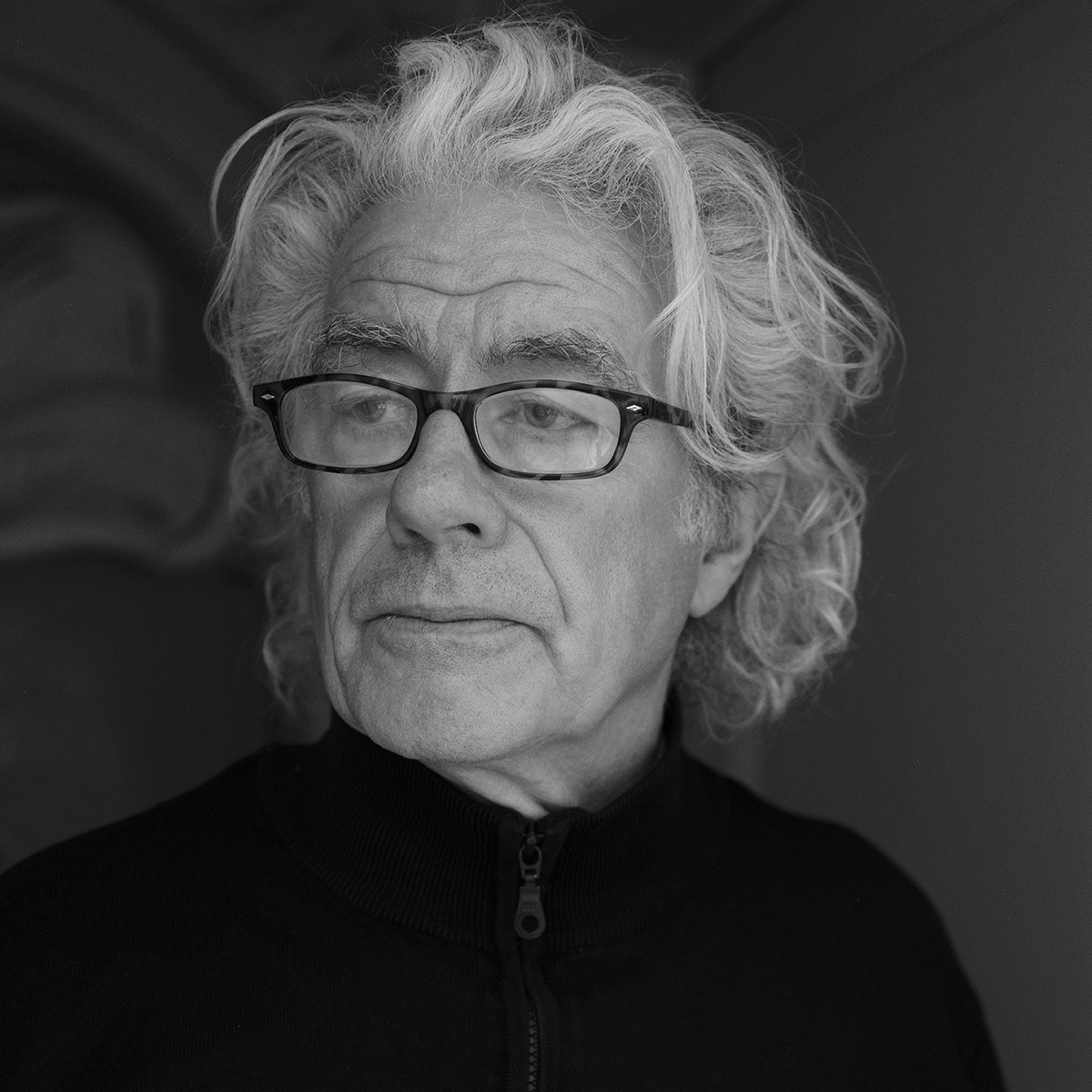
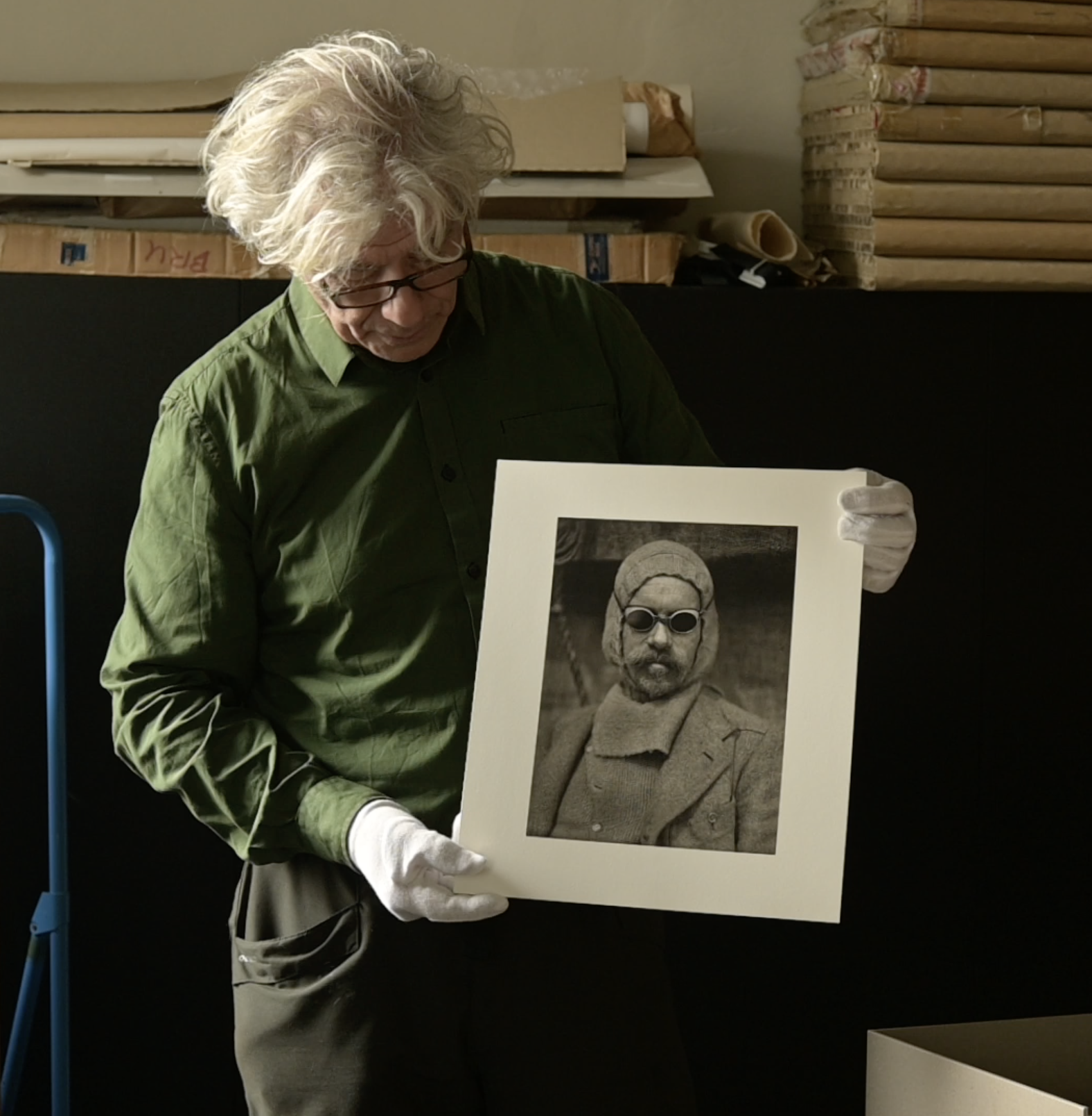
Georges Charlier talked to us from the Salto Ulbeek studio in a converted brewery in Ulbeek, Belgium
Q: Georges in a few words can you explain what Salto Ulbeek does?
Put simply, we are a photographic publishing house. Our studio and workshop is here in this old brewery, in Ulbeek in Belgium. We transform historic photographic negatives and contemporary photographic works into high quality limited edition prints and other publications – portfolios, books, etc. Platinum palladium has been our printing method of choice for black and white photography – we have developed great expertise in that method over the last 30 years. Our programme is developed in close collaboration with both photographic archives and contemporary photographers, combining heritage preservation with contemporary artistic practice.
Q: Tell me more about the portfolios and prints you produce with archives?
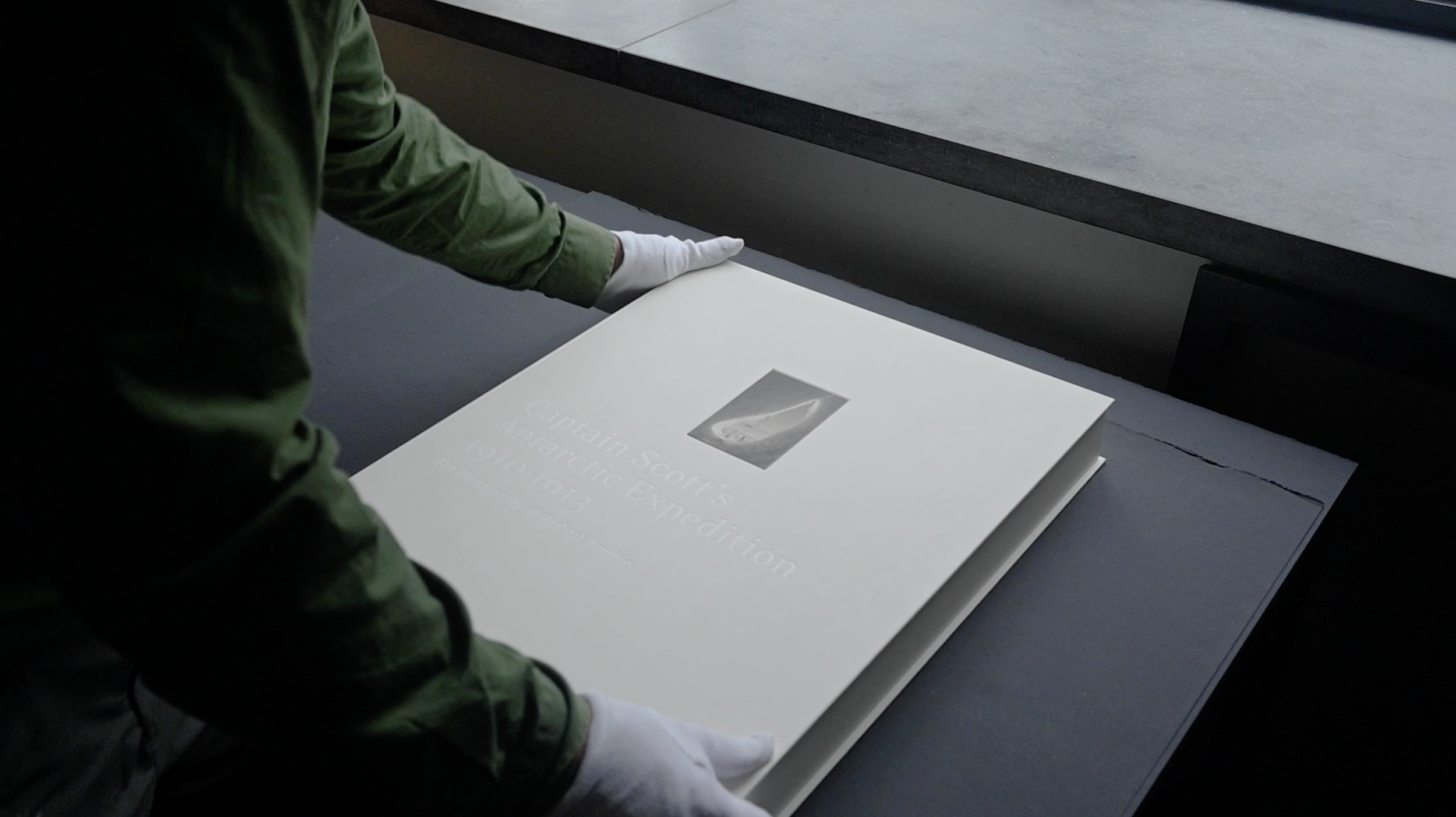
With archival partners, we publish limited edition portfolios that include a large and representative selection of each photographer’s work – sometimes 50-60 individual prints. These portfolios form the core of our archiving mission and are produced in very small numbers, each accompanied by a certificate of authenticity signed by both the director of the archive and the director of Salto Ulbeek. They contain the individual prints and contextual material – usually essays by authors with a specialist knowledge of the subject matter. We are also currently working on some new forms of publication of smaller selections of prints – say 10 or so – contained in beautiful aluminium folders.
Alongside these portfolios, we also produce limited-edition single prints, generally in three size formats corresponding to editions of approximately thirty, twenty and five prints. Each individual print is accompanied by its own certificate of authenticity. Obviously the smaller the print size, the larger the edition number.
Q: How does it work with contemporary photographers?
With contemporary photographers, edition sizes and print formats vary according to the artist’s choices, and all prints are signed by the photographer, in line with established fine art photography practices.
Q: What dictates edition quantities and format sizes? How are prices determined?
Edition formats and quantities are carefully calibrated according to traditional photographic standards and contemporary market conventions. Smaller formats typically allow for larger editions, while larger and more technically demanding prints are issued in more restricted numbers.
Pricing within each edition follows a progressive structure commonly adopted in the contemporary photography market, with early prints offered at lower prices and later prints increasing in value, reflecting collector behaviour and market dynamics.
Q: Tell me about the ethics of limited edition prints?
Ethical publication practice is central to our approach. Once an edition is completed, no additional sizes or versions are produced, even where this would be technically possible. This strict limitation preserves the integrity of each work and maintains the confidence of collectors and institutional partners.
Q: Do you produce artist’s and printer’s proofs as well?
Yes, alongside numbered editions, we produce artist proofs and printer’s proofs. Printer’s proofs are retained within our Salto Ulbeek archive, while artist’s proofs are a proportion of each edition in accordance with standard photographic practice. These are sometimes offered alongside numbered editioned prints, but we maintain rigorous control over total production.
Q: Why do you use platinum palladium as your preferred print method?
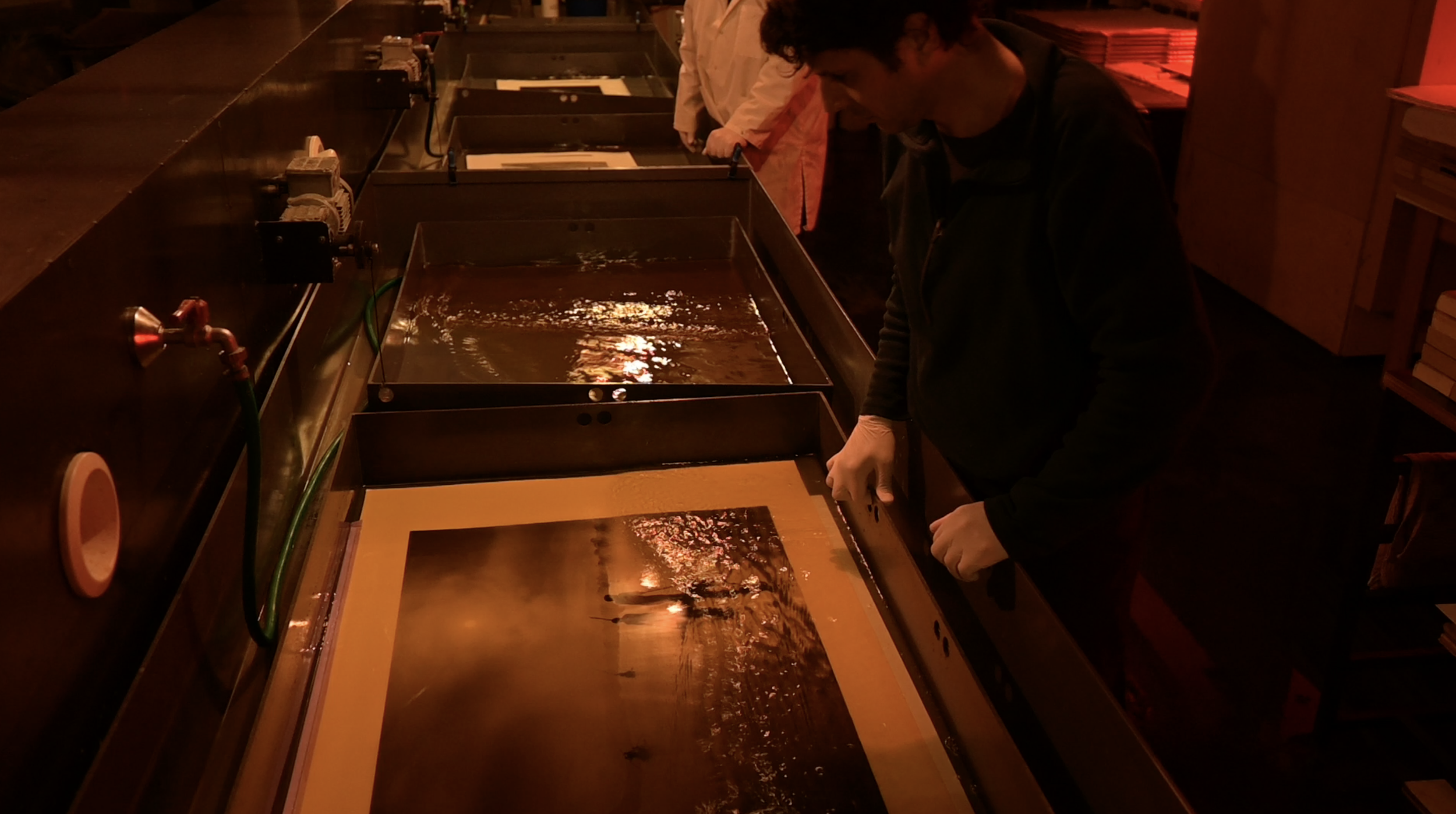
For our black-and-white limited editions, we have chosen platinum palladium printing after years of research and technical development aimed at achieving exceptional quality. The resulting process is a complex, artisanal technique that goes far beyond the traditional method of simply hand-coating paper with platinum and palladium metals. Platinum palladium printing offers a unique tonal range, extraordinary depth, and the highest level of archival permanence, while the use of precious metals places each print in a category where craftsmanship and material value are inseparable. I always say that I hope that historic photographers would look at our prints and be pleased with the results.
Q: Are you working on any new techniques?
Yes! We are currently developing a new colour printing technique inspired by the glaze technology of Flemish painters, which will form the basis of our future colour limited editions, extending our commitment to artisanal excellence into contemporary colour processes.
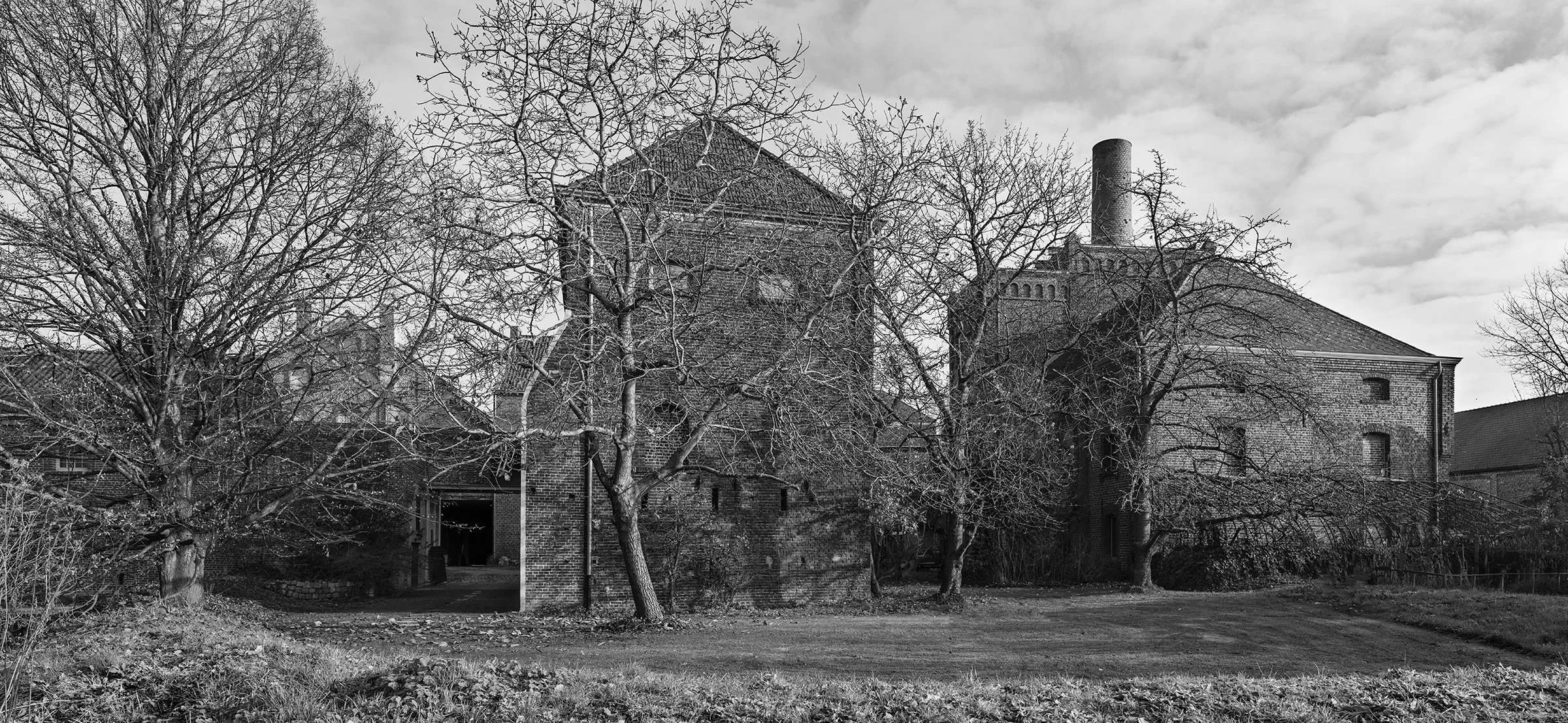
The old brewery, Ulbeek
